Introduction to Film Editing
Film editing is one of the most important stages of filmmaking. It is the process of selecting, arranging, and combining individual shots to create a coherent, engaging, and meaningful story. From Hollywood movies and documentaries to short films, advertisements, and online videos, film editing plays a crucial role in shaping how audiences experience visual content.
Professional film editing goes beyond simply cutting and joining clips. It involves storytelling, pacing, visual continuity, sound design, and emotional timing. A skilled film editor understands how each shot contributes to the overall narrative and uses editing techniques to maintain the audience’s attention.
What Is Film Editing?
Film editing is the process of organizing recorded footage into a finished audiovisual production. Editors review raw footage, select the strongest takes, arrange scenes, and refine transitions to create a smooth and effective narrative.
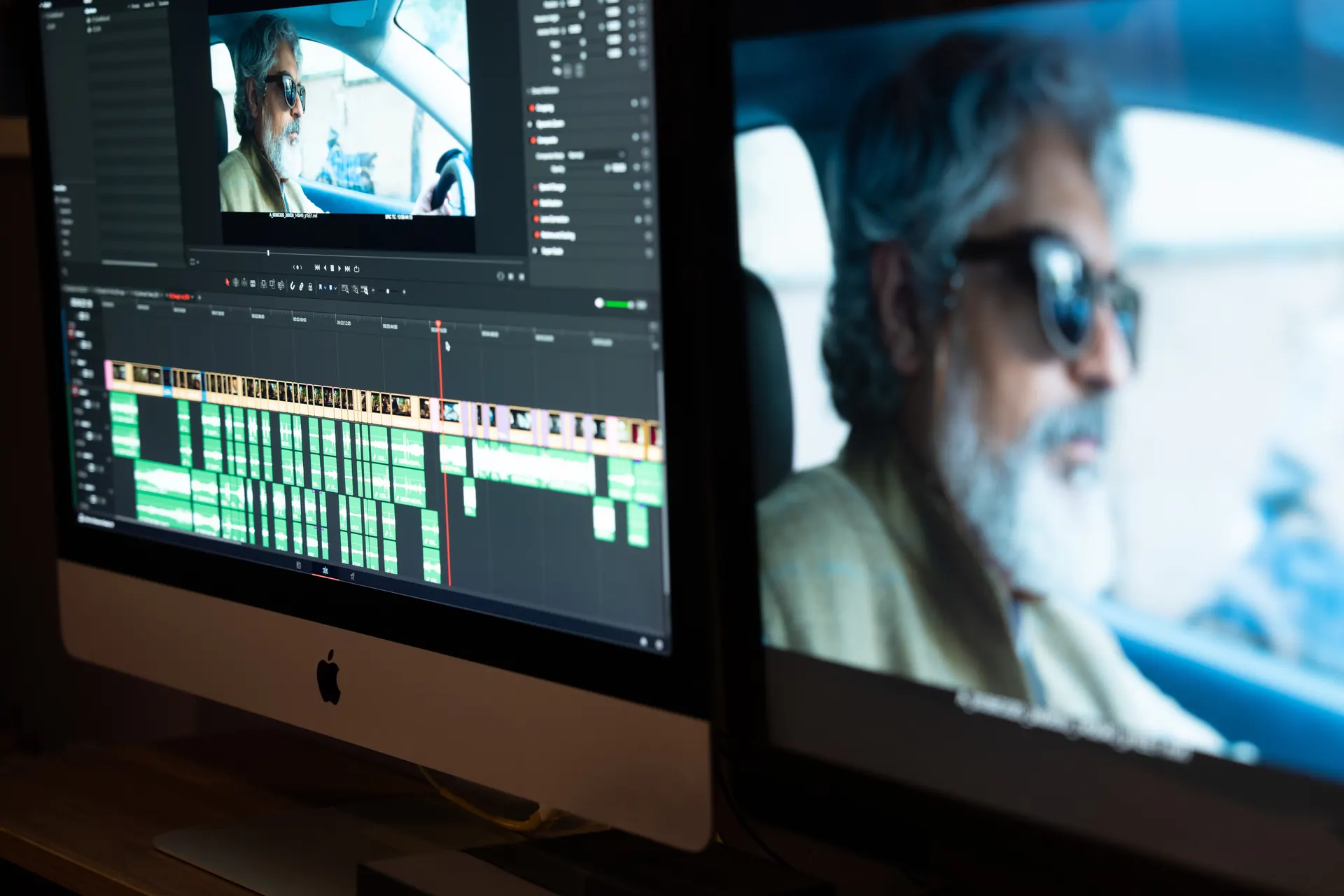
Modern video editing software allows editors to work with digital footage, synchronize audio, adjust timing, add visual effects, and collaborate with other post-production professionals.
The primary goal of film editing is to communicate the filmmaker’s vision clearly while creating the intended emotional and dramatic impact.
Why Is Film Editing Important?
Film editing influences how viewers understand a story, connect with characters, and respond emotionally to events on screen.
1. Storytelling and Narrative Structure
Editing determines the order in which information is presented. Editors can build suspense, reveal important details, create surprises, and guide viewers through a story.
2. Pacing and Rhythm
The length and arrangement of shots determine the rhythm of a film. Fast cuts can create excitement and tension, while longer shots can establish atmosphere and encourage emotional reflection.
3. Emotional Impact
The right combination of images, dialogue, music, and silence can strengthen the emotional power of a scene. Editing helps control the audience’s expectations and reactions.
4. Visual Continuity
Continuity editing ensures that actions, movements, and spatial relationships remain consistent between shots. This helps audiences follow the story without unnecessary confusion.
5. Professional Quality
Careful editing improves the overall quality of a production by removing unnecessary footage, correcting timing issues, and creating a polished final result.
Essential Film Editing Techniques
Understanding fundamental film editing techniques is essential for creating professional video content.
Continuity Editing
Continuity editing maintains a logical flow between shots. Techniques such as the 180-degree rule, match on action, and eyeline matching help preserve spatial and visual consistency.
Cutting on Action
Cutting on action involves switching between shots while a character or object is moving. This technique makes transitions feel natural and helps maintain the scene’s momentum.
Match Cut
A match cut connects two shots through similar movement, composition, shape, or visual meaning. It can create a smooth transition or establish a symbolic connection between different scenes.
Jump Cut
A jump cut creates a noticeable break in continuous action or time. It is frequently used in documentaries, social media videos, and experimental filmmaking to create energy or communicate the passage of time.
Cross-Cutting
Cross-cutting alternates between two or more scenes, often showing events happening simultaneously. This technique is useful for building suspense and connecting separate storylines.
Montage Editing
Montage editing combines a series of shots to communicate the passage of time, summarize events, or develop an idea. It is commonly used in training sequences, documentaries, and cinematic storytelling.
The Film Editing Process
The film editing process usually takes place during post-production and includes several important stages.
1. Organizing and Reviewing Footage
Editors begin by organizing video files, labeling clips, synchronizing audio, and reviewing recorded material. Good organization makes the editing workflow more efficient.
2. Creating a Rough Cut
The rough cut establishes the basic structure of the film. Editors select the essential shots and arrange them according to the script, storyboard, or documentary narrative.
3. Refining the Fine Cut
During the fine-cut stage, editors improve pacing, remove unnecessary material, refine transitions, and adjust the timing of individual scenes.
4. Sound Editing and Music
Sound editing includes dialogue cleanup, sound effects, ambient audio, and music placement. Proper sound design makes the film more immersive and supports its emotional tone.
5. Color Correction and Color Grading
Color correction balances exposure, contrast, and color consistency between shots. Color grading creates a particular visual style and helps establish the mood of the production.
6. Visual Effects and Titles
Depending on the project, editors may integrate visual effects, motion graphics, subtitles, opening titles, and end credits.
7. Final Review and Export
The final stage includes quality control, audio checks, subtitle verification, and exporting the film in the appropriate resolution and format for its intended platform.
Popular Film Editing Software
Professional editors use different software applications depending on their workflow, budget, and production requirements.
- Adobe Premiere Pro: A versatile video editing application used for films, advertisements, online content, and professional video projects.
- DaVinci Resolve: Known for its advanced color correction and grading tools, as well as its integrated editing and audio post-production features.
- Final Cut Pro: A professional editing application designed for Apple’s Mac ecosystem.
- Avid Media Composer: Widely associated with professional film and television post-production workflows.
- CapCut: An accessible option for short-form video, social media content, and beginner-friendly editing projects.
Choosing the right software depends on the project’s complexity, technical requirements, and the editor’s experience.
The Difference Between Film Editing and Video Editing
Film editing and video editing share many techniques, but the terms can refer to different types of projects and workflows.
Film editing often emphasizes cinematic storytelling, dramatic structure, character development, and narrative pacing. Video editing is a broader term that also includes marketing videos, tutorials, corporate content, interviews, and social media productions.
Both disciplines require visual judgment, technical knowledge, attention to detail, and an understanding of how audiences process audiovisual information.
What Makes a Good Film Editor?
A good film editor combines creative thinking with technical expertise. Important skills include:
- Strong storytelling and narrative judgment.
- A good sense of timing, rhythm, and pacing.
- Attention to detail and visual continuity.
- Knowledge of sound editing and basic color workflows.
- Proficiency in professional editing software.
- Communication and collaboration skills.
- The ability to understand a director’s creative vision.
Experience, experimentation, and the ability to evaluate footage objectively are essential for developing these skills.
The Future of Film Editing
Technology continues to transform film editing and post-production. Artificial intelligence tools can assist with transcription, scene detection, audio cleanup, caption generation, and other repetitive tasks.
Cloud-based collaboration also allows editors, directors, and producers to work together across different locations.
Despite these technological developments, creative decision-making remains central to successful film editing.
Editors still need to understand storytelling, emotional pacing, visual composition, and audience expectations to produce meaningful work.
Conclusion
Film editing is both a technical discipline and an art form. It transforms raw footage into a structured visual experience through careful shot selection, pacing, continuity, sound, and color.
Whether producing a feature film, documentary, commercial, or online video, understanding film editing techniques can significantly improve the quality and effectiveness of the final production. As editing tools continue to evolve, storytelling and creative judgment will remain the foundations of great editing.
Frequently Asked Questions About Film Editing
What is film editing?
Film editing is the process of selecting and arranging recorded footage, sound, and other visual elements to create a finished film or video.
What are the main stages of film editing?
The main stages include footage organization, rough cutting, fine cutting, sound editing, color correction, visual effects integration, and final export.
Which software is best for professional film editing?
Adobe Premiere Pro, DaVinci Resolve, Final Cut Pro, and Avid Media Composer are popular choices. The best option depends on the production’s needs and the editor’s workflow.
How long does film editing take?
Editing time varies according to the project’s length, complexity, footage volume, visual effects, and revision requirements. A short promotional video may take a few days, while a feature film can require several months.
Is film editing important for storytelling?
Yes. Film editing determines how scenes are arranged, how quickly a story unfolds, and how audiences interpret events and experience emotions.